Celebrating Access: Behind the Scenes of 'Oh, How We Dance' at London Museum Docklands
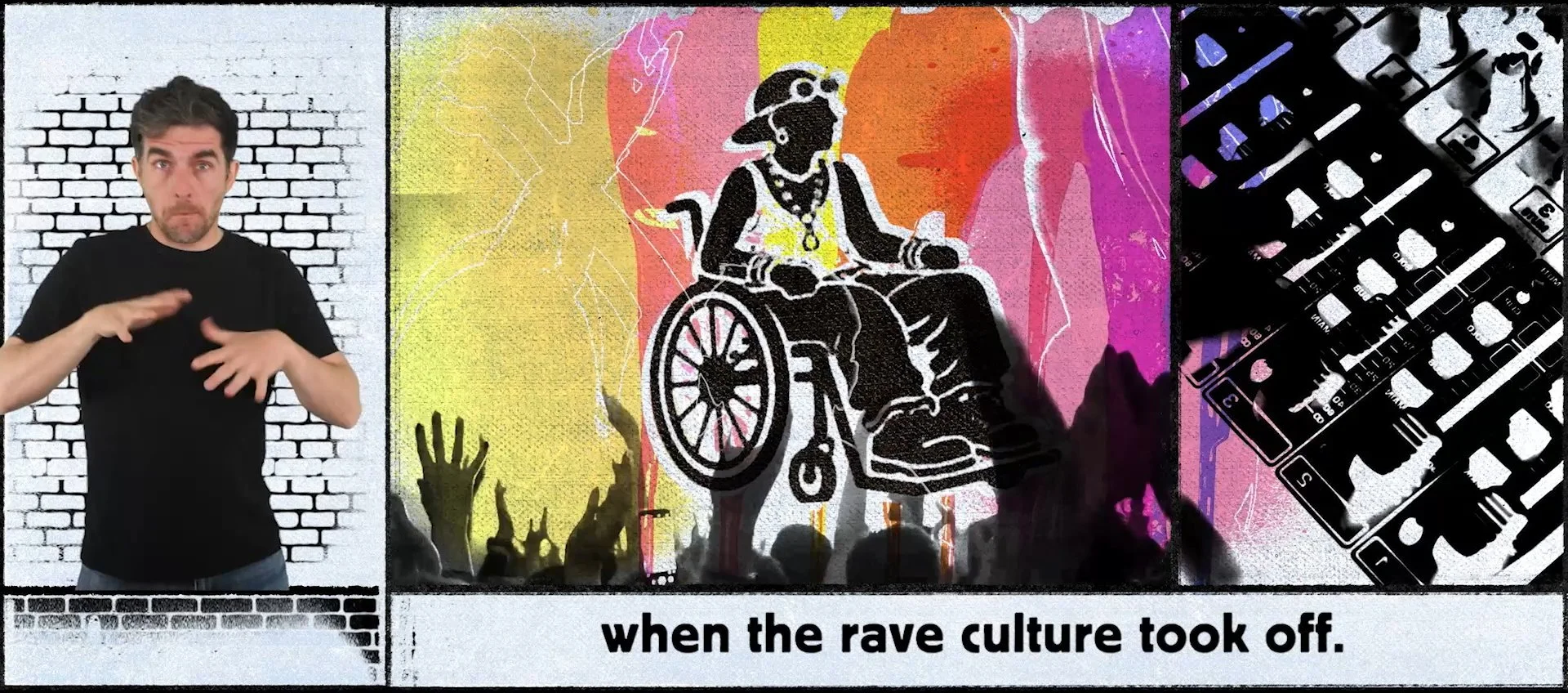
Museum spaces are changing, shifting away from static objects behind glass towards living, breathing histories told by the people who lived them. At Plume Films, we have always believed that the most powerful stories are those rooted in authentic human experience, which is why being asked to collaborate on a landmark new project at London Museum Docklands was an extraordinary privilege.
The project, titled Oh, How We Dance, is a free, film-based installation that uncovers hidden stories of disability within the museum’s vast collections. Part of the broader Curating Visibility initiative, delivered in partnership with Screen South’s Accentuate Programme and funded by Arts Council England, the exhibition provides vital work opportunities for deaf, disabled, and neurodivergent curators to challenge traditional narratives and reimagine disability perspectives.
For us, this was not just another production. It was an opportunity to rethink how film functions in a public, physical space, ensuring that accessibility was never treated as an afterthought or a compliance box to tick, but as the very foundation of the creative output.
The Fabric of the Film: Shared Memories of London Nightlife
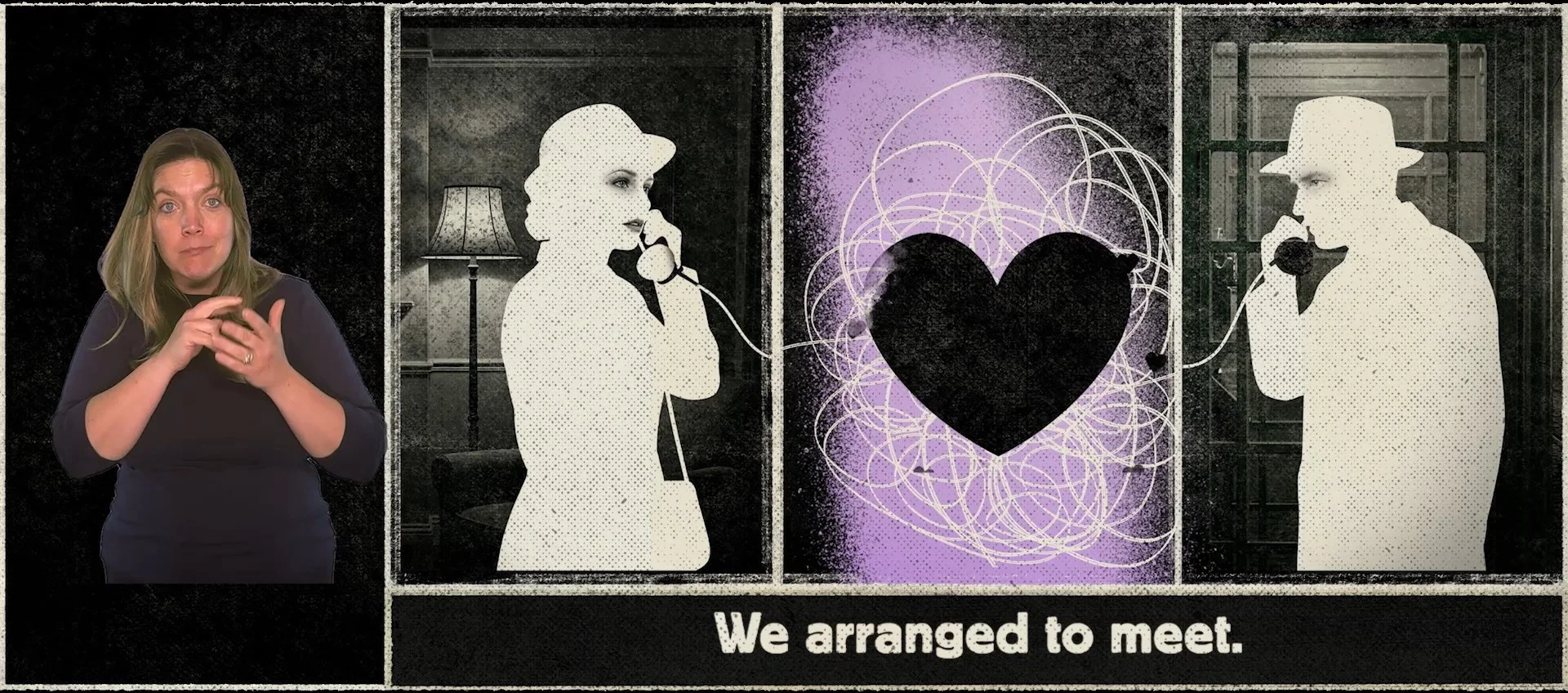
The heart of Oh, How We Dance lies in its voices, spanning generations of disabled Londoners who have carved out their own spaces to dance, to party, and to live. Bringing these distinct, deeply personal narratives into a cohesive cinematic experience required a delicate touch, letting the strength of each testimony lead the visual rhythm.
Post-War Resilience and the Joy of Movement
The installation draws heavily on the rich archive of oral histories within the London Museum. We were deeply moved by the Second World War memories of Betty Harmasz, who describes the sensory joy of dancing with low vision and singing through the darkness of wartime Britain. Alongside her, Betty Phillips shares a beautiful, insightful reflection on what happens when a blind dancer takes the lead, a poignant metaphor for autonomy and reclaiming space.
From the 1980s to the Dream Nightclub
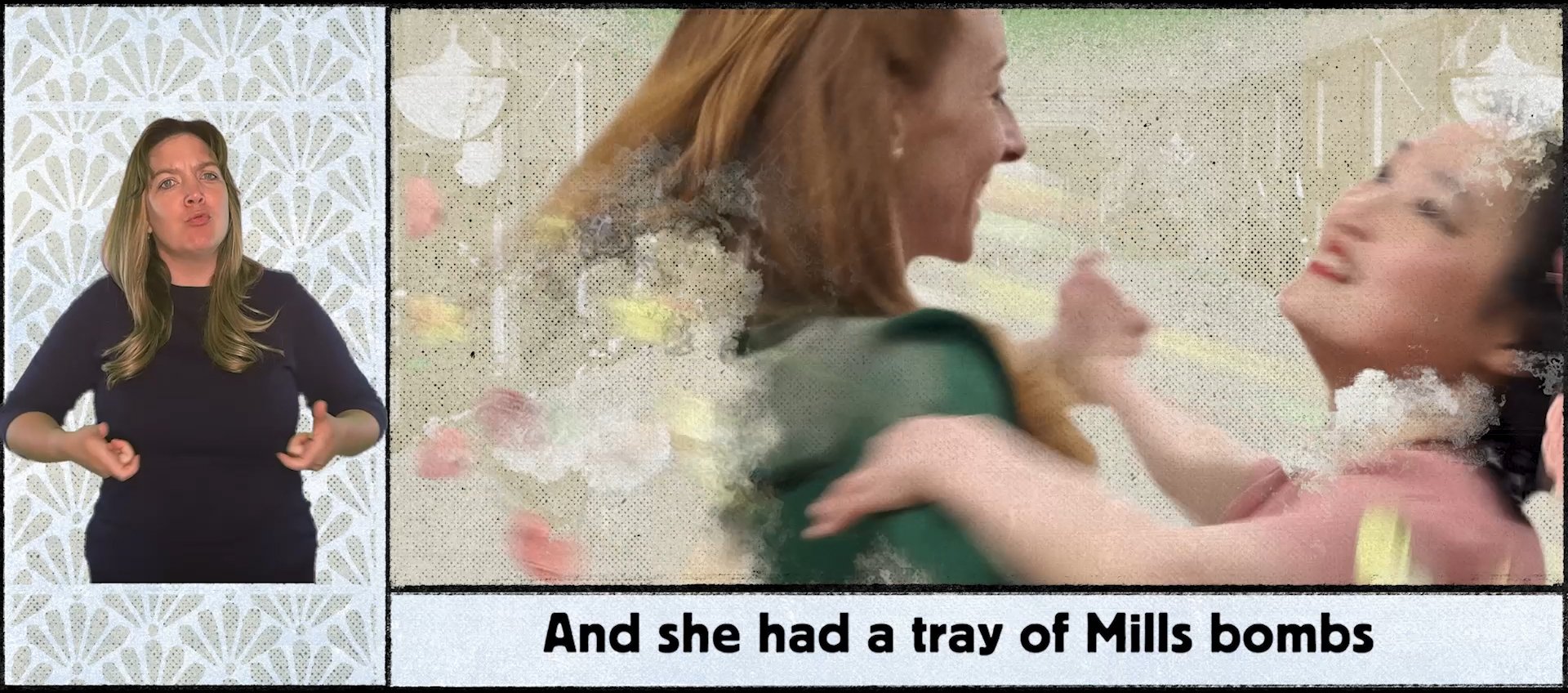
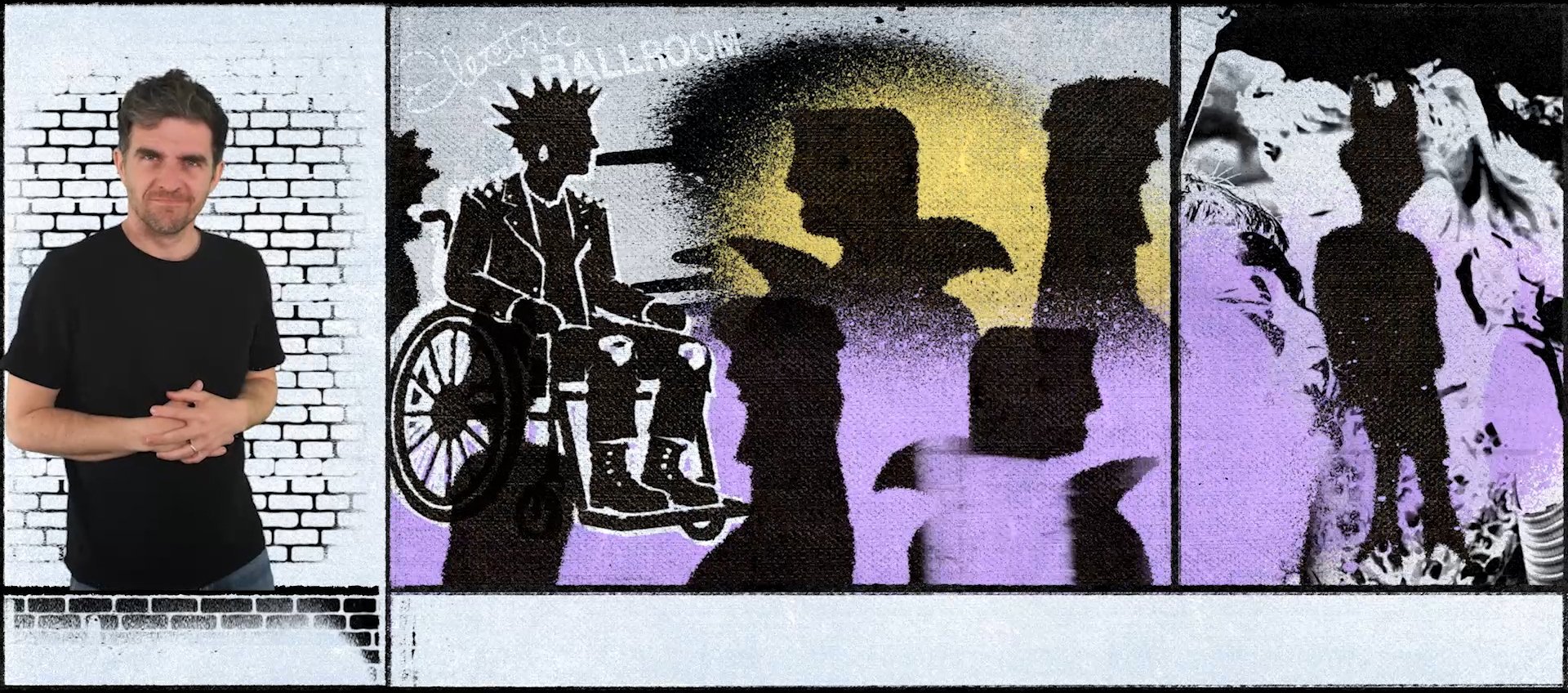
Bringing the narrative into the modern era, the film features radio, television, and nightclub legend Mik Scarlet, who discusses navigating London’s vibrant nightlife since the 1980s as a wheelchair user. His reflections are paired with the striking work of artist Mentor Chico, whose paintings depict 1990s London streets and nightlife culture through the dual lenses of disability and migration.
Crucially, the project looks forward as well as back. We worked closely with ten brilliant local co-producers, disabled individuals with a passion for nightlife, who used art, film, and poetry to imagine their ultimate dream nightclub. This imagined venue is a space with absolutely no access barriers, where anything is possible. As the project so beautifully states, like so many disabled people before them, they have created a space that is built for them, by them.
Accessible by Design: Redefining the Creative Process
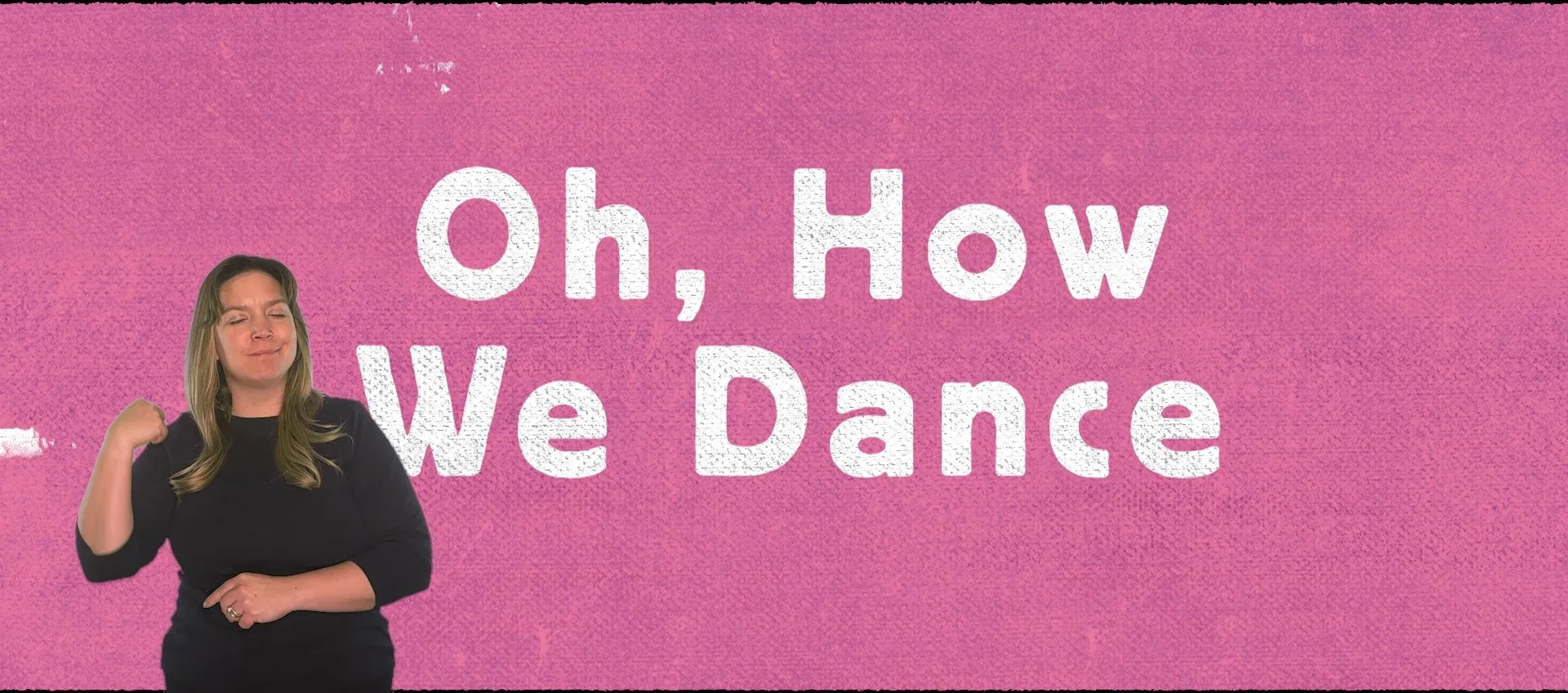
Too often in the film and television industry, accessibility features like audio description, British Sign Language interpretation, and captioning are treated as post-production add-ons, slapped onto a finished project in the final hours before release. For Oh, How We Dance, our approach was entirely different. We integrated these elements from the very inception of the project, allowing them to shape the aesthetic, flow, and delivery of the films.
[Traditional Approach]  Concept ➔ Production ➔ Final Edit ➔ Accessibility Add-ons
                                                                   │
[Plume Films Approach]  Concept ➔ Production ➔ Inclusive Design ➔ Integrated Output  (BSL, Audio Description, & Captions woven in from day one)
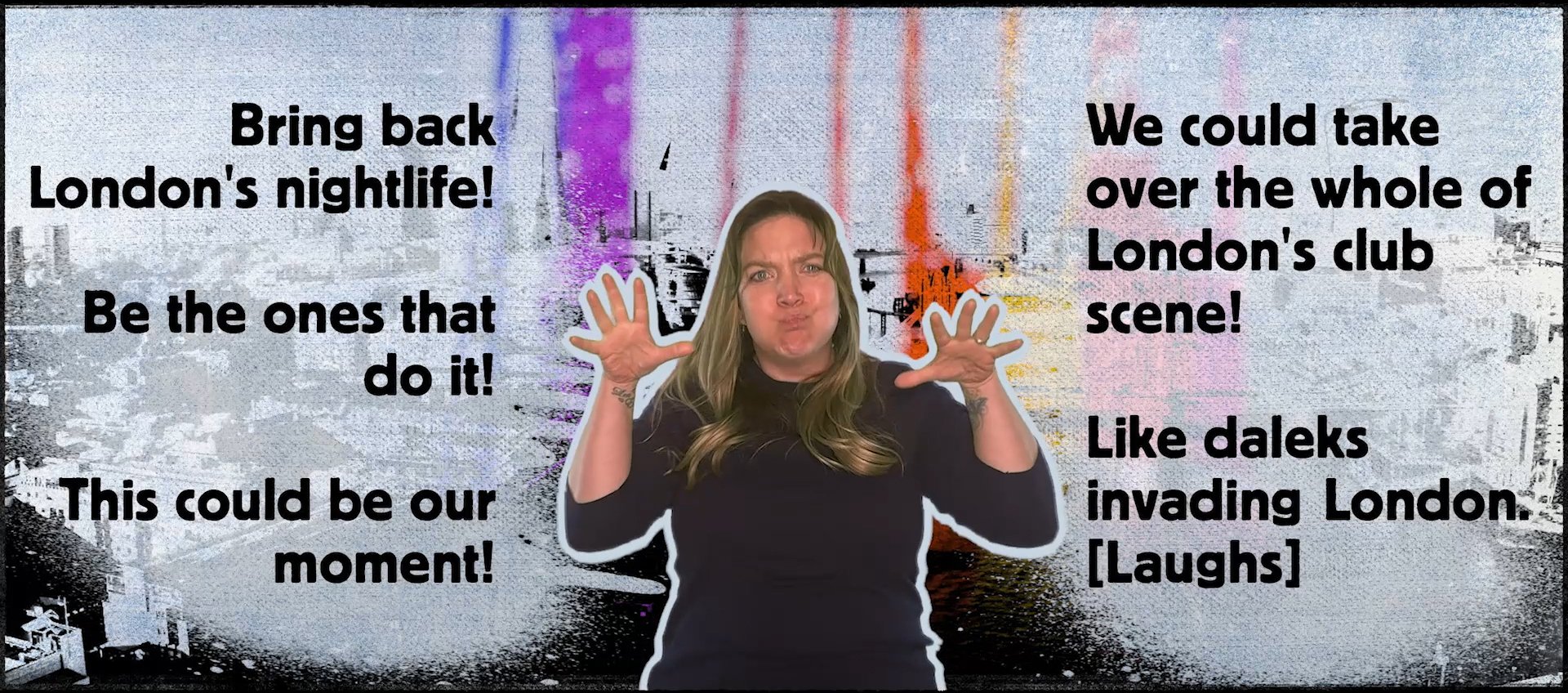
Working alongside a dedicated team, including filmmaker and sound editor Byron Vincent, Lily Norton on audio description, and Adam McCormick and Karen Belcher providing British Sign Language interpretation, we treated every translation layer as a core creative component. The result is a film-based installation where the access features do not distract from the art, they are the art, creating a multi-sensory landscape that welcomes every single visitor with equal warmth.
A Collaborative favorite
A project of this scale and sensitivity is never a solo endeavour. It thrives on collaboration, mutual trust, and a shared vision. We were incredibly fortunate to work under the guidance of Curating Visibility Fellow, Noah Silver, who spent fifteen months researching the museum collections and collaborating with local disabled people to shape this powerful intervention.
Our deepest thanks go to the co-producers who shared their creativity and vision: Chloë Clarke, Georgine, Harsha Balasubramanian, Jessica Rose Stillwell, JINGYI, Leila, Louise Hall, Michelle Felix, Ria Patel, and Sophia B.
We also want to acknowledge the immense support of Esther Fox, Head of the Accentuate Programme, alongside Project Managers Ruth Garde and Emily Goff, Easy Read UK for their invaluable resource design, and the entire team at London Museum for their stellar display management and installation expertise.
Final Reflections
Seeing Oh, How We Dance go live at London Museum Docklands has been an incredibly moving experience for everyone at Plume Films. We are absolutely thrilled that the public can now experience these vital, joyous, and defiant stories.
Being part of a project that champions true inclusion has reinforced our studio philosophy that storytelling is at its best when it is collaborative, human, and open to all. We hope this installation serves as a reminder of how communities have always built their own spaces to thrive, and how British cultural institutions can evolve to reflect everyone's history.
If you happen to be near the London Museum Docklands, we highly recommend spending some time with the exhibition, it is free to attend and offers a powerful glimpse into a vital piece of London's social history.
Curious how this inclusive approach plays out in our wider work, or want to discuss how to embed thoughtful storytelling into your own upcoming cultural project? We are always happy to chat. Feel free to explore our portfolio or get in touch for a quiet conversation over coffee.