There is a specific kind of magic that happens in the studio when a deadline is looming, the floor is littered with cut-up paper scraps, and an idea finally clicks into place.
Recently, the British Museum approached us with a wonderfully open, yet tricky brief: produce a new countdown and introduction animation package to welcome audiences and build excitement before streamed events, gallery presentations, and exhibition talks.
It sounded straightforward enough on paper. But as any creator knows, the gap between a neat initial brief and a living, breathing film is filled with trial, error, tactile experiments, and late-night studio coffee.
The Challenge of the Modular Puzzle
The core requirement was to build a generic visual tool that could build excitement for an audience before they stepped into a presentation or exhibition. But structurally, we were facing a real puzzle.
The project had to be split into two distinct sections that could work together as a seamless 90-second whole, while also functioning completely independently:
A 1-minute countdown clock
A 30-second introduction film
If an event running late meant cutting the countdown short, the film couldn't feel broken. If a presenter clicked play right at the 30-second mark, the intro had to hit with full emotional weight without needing the preamble.
That meant both the visual rhythm and the audio stems had to be composed so they could be started, paused, or trimmed at key intervals without jarring the viewer.
Finding Depth and Warmth Beyond Clean Pixels
When tackling a world-renowned institution like the British Museum, it is easy to default to slick, sterile motion graphics. But that isn't the Plume way. We wanted the piece to feel human, curious, and textured, matching the wonder of stepping into a gallery for the very first time.
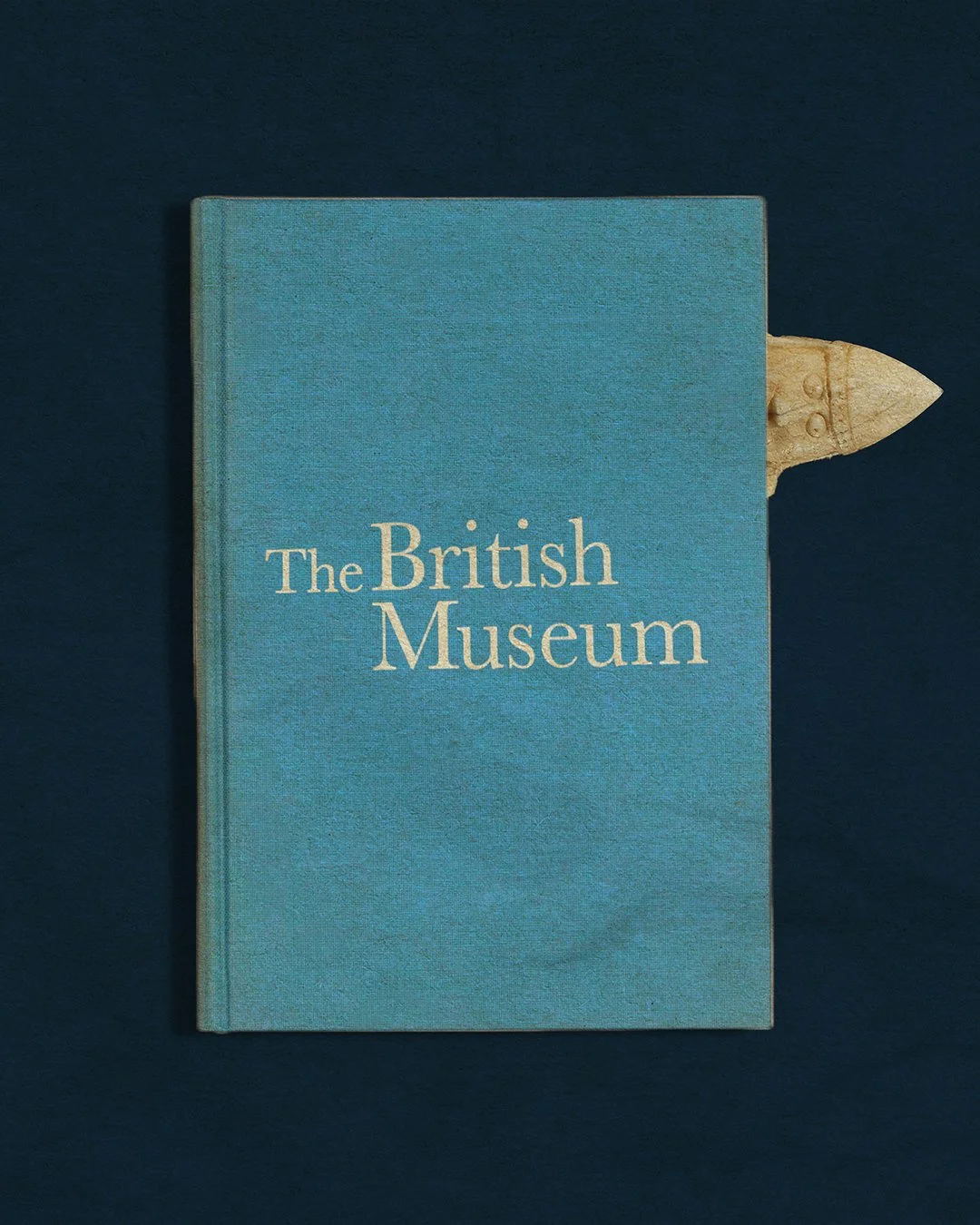
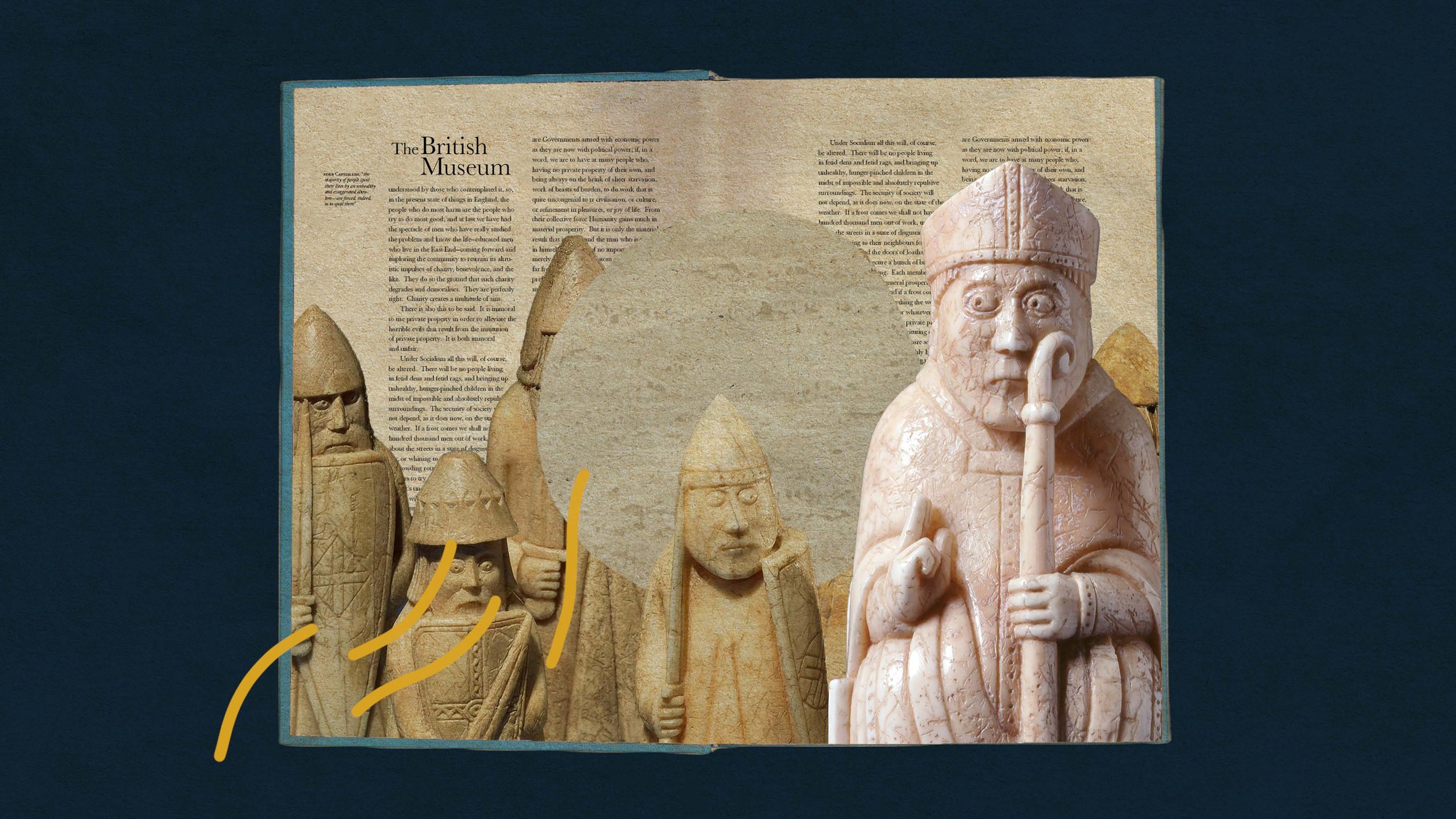
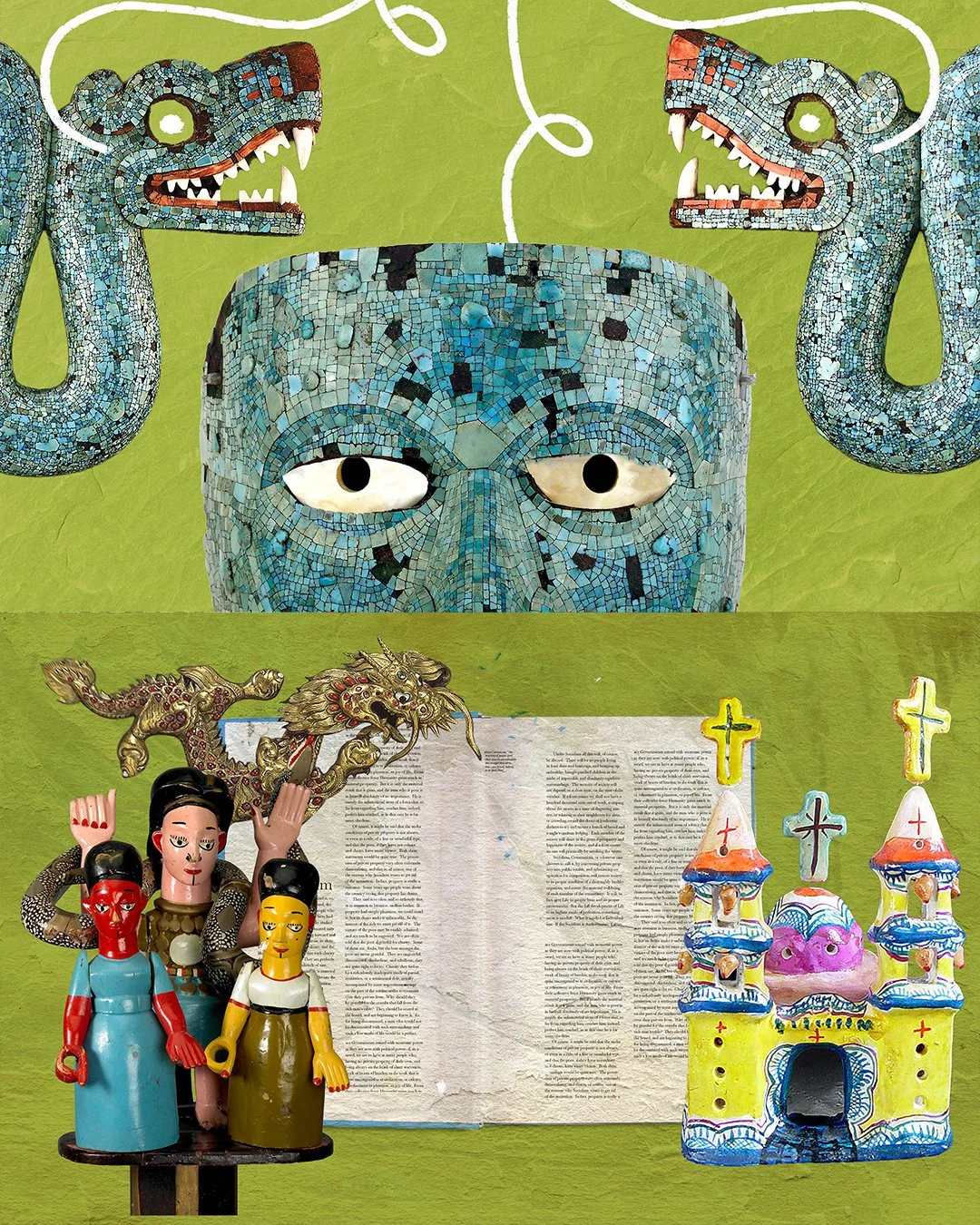
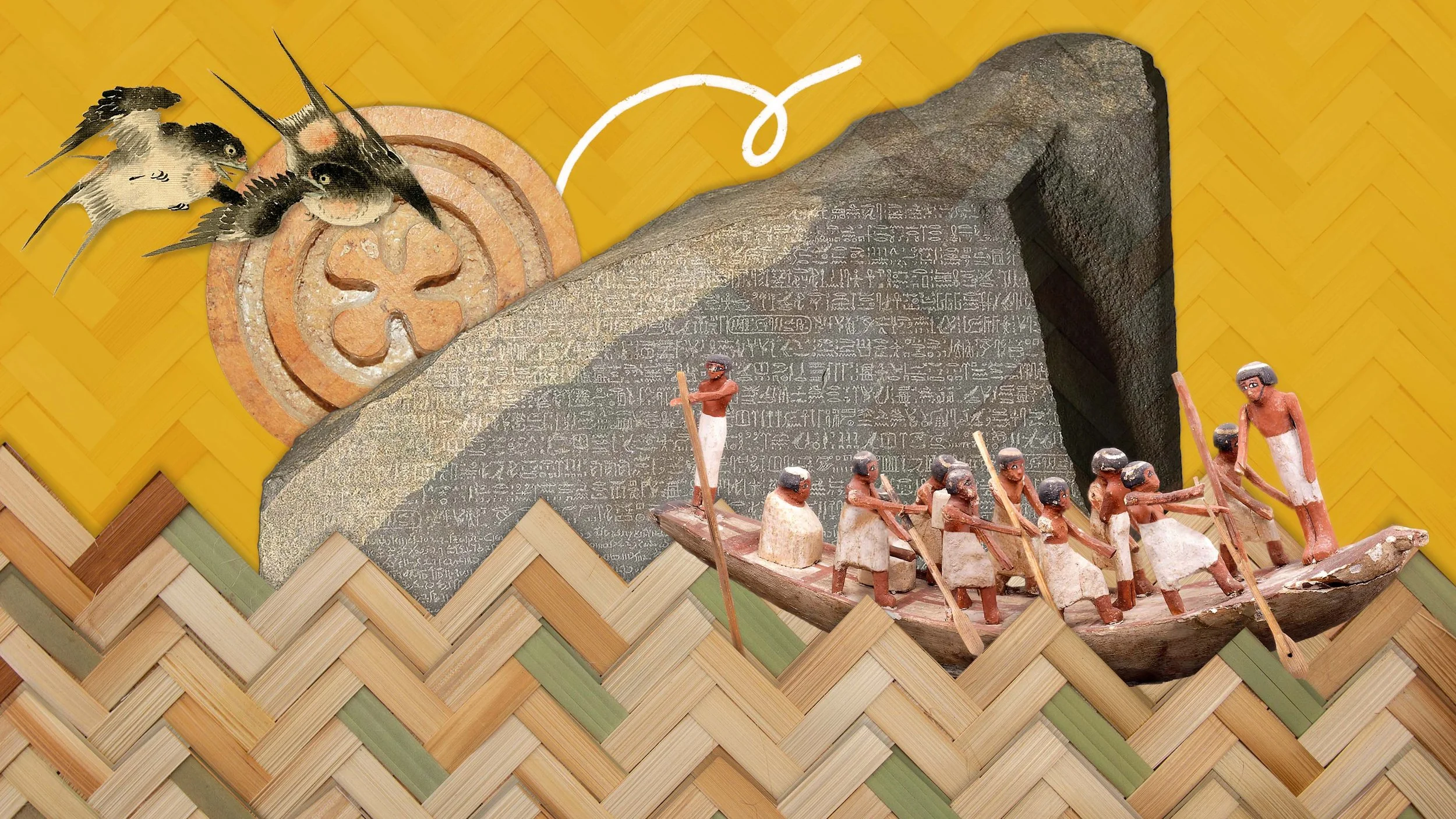
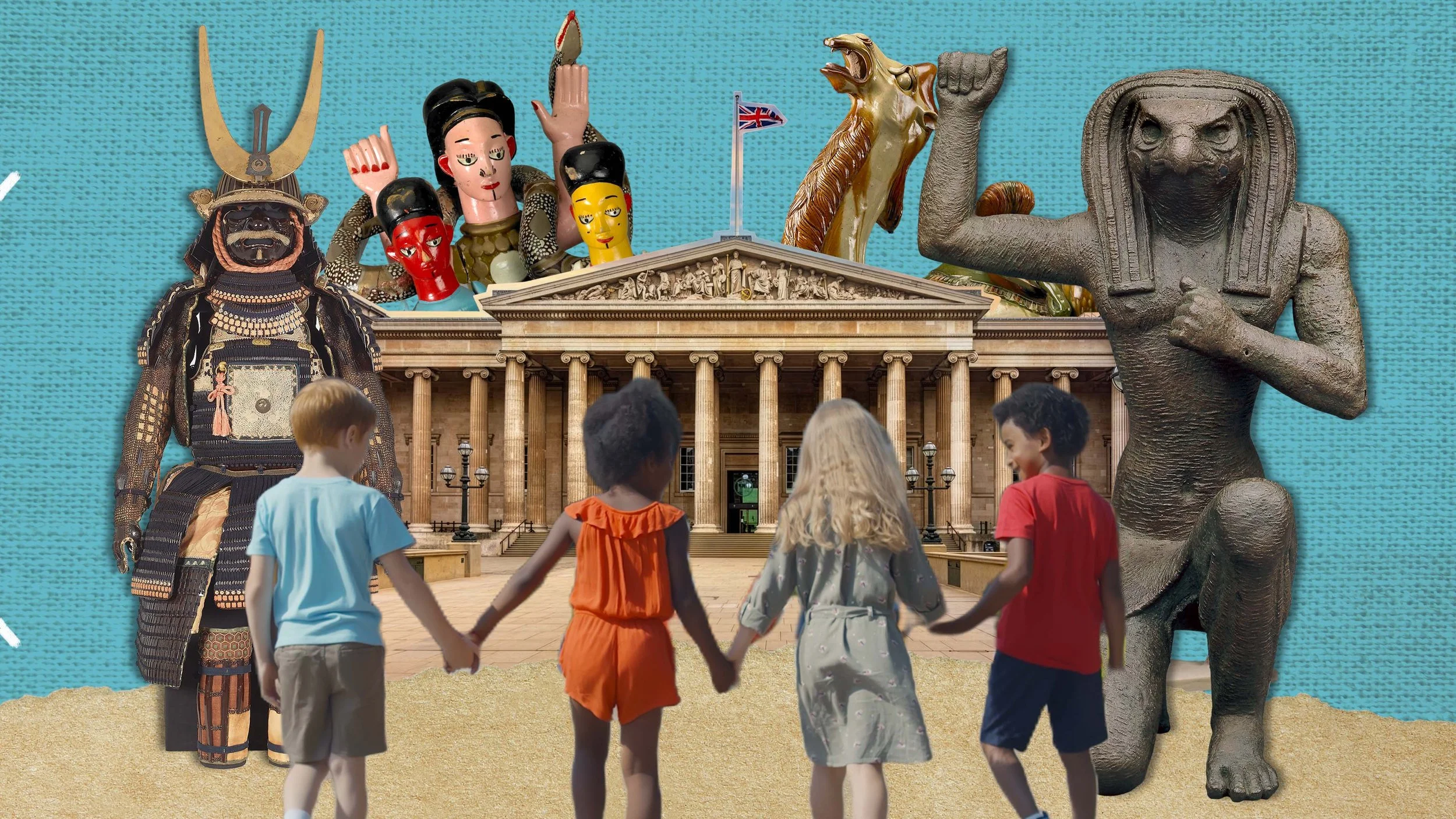
We chose our signature tactile collage approach, pairing organic paper textures and fine line drawings with high-resolution imagery of choice items from the museum's collection.
To solve the modular transition problem, we anchored the visual narrative around the idea of an opening storybook:
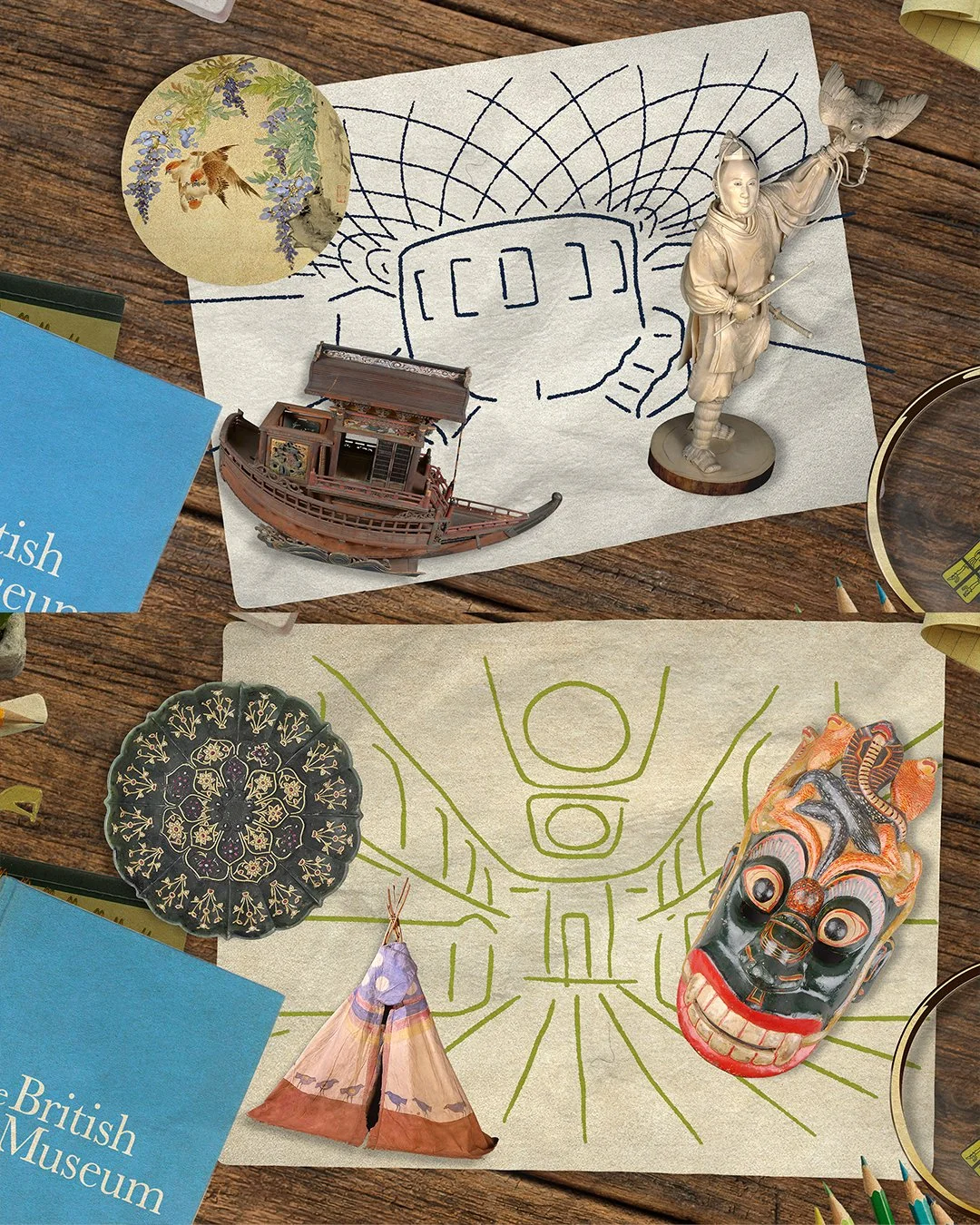
The Desk Motif: We framed the scene from a top-down view of a child explorer's desk, scattered with sketches, colored pencils, and playful treasures from the museum gift shop.
The Page Turn: Clicking through the pages revealed new historical objects and vibrant hand-drawn lines.
The Journey: The countdown clock constantly zoomed in and out of the paper pages, taking the viewer through different landscapes, architectural outlines, and historical eras.
The book motif gave us the exact natural transition we needed. A page turn is an intuitive beat; it allowed us to cut or join sequences visually without ever breaking the magic of the world we were building.
Blending Audio Stems and Inclusive Details
The visual texture was only half the story. The sound design was a tremendous playground of its own. We spent hours blending musical stems, dialing in the tempo, and layering subtle atmospheric sounds so the track would naturally build momentum right up to the final second.
Beyond the technical craft, we spent a lot of time focusing on who was watching. Bringing human warmth and inclusive character representation into the scenes—including young characters with visible disabilities—was essential to us. Museums belong to everyone, and every child watching in a classroom deserves to see themselves represented in that journey of discovery.
Working closely with the British Museum team to hone the color palette, typography, and visual tone was a true collaborative highlight. Together, we arrived at an aesthetic that feels timeless rather than trend-bound—something that can serve their learning programs for years to come.
The First Outing: 80,000 Schoolchildren
You can spend weeks tweaking keyframes and refining audio mixes in isolation, but nothing compares to the moment a project meets its audience.
For its very first outing, the animation was set to launch live right before a nationwide Bayeux Tapestry stream. When we got the word that over 80,000 schoolchildren had signed up in classrooms across the country and were watching our countdown clock tick down live, it was an absolute lump-in-the-throat moment.
To create work that reaches young minds on that scale, stirring up curiosity right before a live learning event, is an incredible privilege. It makes every cut finger from paper prototypes and every late-night audio edit entirely worth it.
What the Journey Taught Us
Every project leaves a thumbprint on how we think about our craft. This one reminded us that constraints drive creativity, tactile textures create empathy, and taking the extra time to hone typography, color balance, and audio stems transforms a generic countdown into an enduring brand asset.
If you are currently exploring a visual project, navigating a complex creative brief, or simply want to chat about the craft of story-driven animation, do get in touch. We would love to grab a coffee and talk about how we can bring your ideas to life.